















Is It Legal to Buy Cannabis Seeds in the USA?
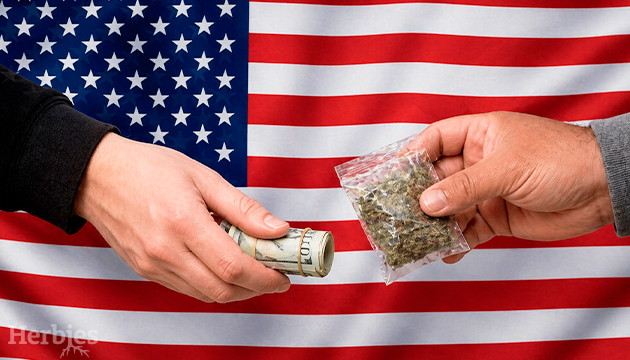
Whether it’s legal to buy cannabis seeds in the U.S. is a question that crosses the minds of many aspiring growers. There’s something exciting about being able to have your own little grow op at home. However, given the legal penalties, the last thing you want to do is get into any trouble with cannabis cultivation. So are cannabis seeds legal in the USA? The answer goes beyond a simple “yes” or “no”, so we’re about to get into details to make this confusing situation a little clearer.
State and Federal Laws on Marijuana Seeds Regulation
While you can buy, possess, and cultivate marijuana seeds in some states, U.S. law still treats cannabis differently at the state and federal levels. Understanding cannabis seed legality in the U.S. means looking at both federal policy and individual state regulations.
Marijuana remains federally illegal, although the U.S. Department of Justice formally began the process of moving it from Schedule I to Schedule III in 2024, and that rulemaking was still not finalized at the start of 2026.
As of early 2026, 24 states and D.C. allow adult-use cannabis, while medical cannabis programs exist far more broadly across the country. Because state laws vary, whether you can legally buy or germinate cannabis seeds depends first on the rules in your own state. In fact, cannabis seed legality by state can differ dramatically depending on local cultivation laws and licensing systems.
If you live in a state with legal home cultivation, seeds may be available through licensed channels where state law permits. In states that do not allow home growing, ordering seeds online can create legal risk*, especially if the purchase, shipment, or intended use conflicts with local or federal law.
Are Cannabis Seeds Federally Legal?
A key nuance is that cannabis seeds are not always treated the same way under federal law. The DEA has stated that cannabis seeds with a delta-9 THC concentration of not more than 0.3% on a dry-weight basis meet the federal definition of hemp. This interpretation is sometimes described as the hemp definition for viable seeds, meaning that cannabis seeds themselves may qualify as hemp before germination. In practice, this means some seeds may be considered federally lawful hemp seeds before germination. However, once those seeds are grown into cannabis plants, state cultivation laws and broader marijuana laws become the controlling issue.
If you live in one of these states, purchasing cannabis seeds is possible at a medical or recreational dispensary according to state laws. Where it’s illegal, you have to order seeds online and at your own risk*.
Where In the U.S. Is It Legal to Grow Cannabis?
Believe it or not, weed seeds have other uses, such as fishing bait or bird food. However, assuming you want to buy cannabis seeds for cultivation, the natural first step would be to consider the legality of cannabis seeds growing in your particular state.
Let’s take a look at the states where you can grow marijuana and how these rules fit into broader cannabis home cultivation laws by state.
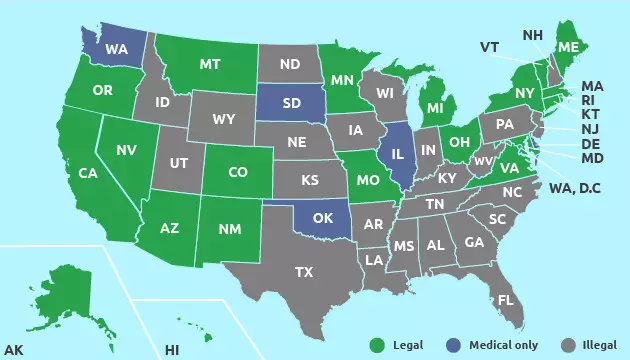
Let’s take a look at the states where marijuana germination is possible.
Alaska
Cannabis is fully legal in Alaska. If you're at least 21 years of age, you can grow up to 12 plants at once, although only 6 are allowed to be in the final flowering stage.
Arizona
In Arizona, both medical and recreational use of cannabis is permitted by law. Individuals are allowed to grow up to six plants per person, or up to twelve plants in a household with two or more adults.
California
Adults 21 and older can grow up to 6 cannabis plants at a private residence, subject to state security requirements and any local rules that may apply. Medical patients may have additional cultivation protections in some situations, but local ordinances and medical-use rules can still affect what is allowed in practice.

Colorado
Colorado allows both medical and recreational marijuana. Medical and recreational users may grow up to 6 plants. However, keep in mind that only 3 can be in the flowering stage.
Connecticut
Cannabis is permitted for both medical and recreational purposes, with a limit of six plants, of which only three can be mature at any given time.
Hawaii
Medical marijuana is legal in Hawaii. Registered patients and caregivers may grow up to 10 plants, and the grow site must be designated through the state’s medical cannabis registry. Recreational cannabis is not legal in Hawaii as of early 2026, so adult-use home growing is not permitted under state law.
Illinois
In Illinois, it is legal to cultivate cannabis for medical use, making it one of the states that allow medical marijuana home grow in states with regulated patient programs. Those who have an Illinois Medical Cannabis Registry Identification Card and meet the criteria as qualifying patients can grow a maximum of 5 cannabis plants that are over 5 inches tall in their homes.
Maine
Both recreational and medical users are allowed to cultivate a maximum of 6 cannabis plants, reflecting broader trends in recreational marijuana home grow in states that have legalized adult use. There are no restrictions on the number of seedlings that can be grown simultaneously.
Maryland
In Maryland, it is legal to grow marijuana for recreational use, with a limit of 2 plants per household. However, registered medical cannabis patients are allowed to grow up to 4 plants per household.
Massachusetts
Marijuana is fully legal in Massachusetts. You can grow up to 6 plants, but this limit changes to 12 if there’s more than one adult (aged 21 or older) living in the home.

Michigan
Medical access to marijuana is limited in Michigan, but it’s also recreationally legal. If you’re 21 or older, you can grow up to 12 plants.
Minnesota
In Minnesota, you can cultivate marijuana for both recreational and medical use, with a limit of 8 plants, of which only 4 can be in the mature stage at any given time.
Missouri
Medical and recreational marijuana is legal in Missouri. Adult users are allowed to cultivate a maximum of 6 plants each, or 12 plants per household if there are two or more adults with a valid license.
Montana
Medical and recreational weed is legal in Montana, where it’s allowed to grow up to 4 mature plants and 4 seedlings. However, this number doubles if there’s more than one adult person in the house.
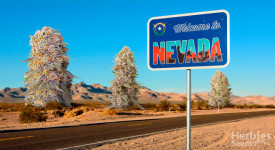
Nevada
Growing weed is fully legal in Nevada, provided you live more than 25 miles from a dispensary. The limit is 6 plants per person and a maximum of 12 in each household.
New Mexico
You can buy marijuana seeds and consume weed for medical and recreational purposes in New Mexico. For medical use, you’re allowed to grow up to 16 plants, but only 4 of them can be mature. For recreational purposes, you can cultivate up to 6 mature plants at a time.
New York
Medical and recreational use of cannabis is legalized in New York. You can grow up to 3 mature and 3 immature plants per person, with a limit of 12 per household (6 mature/6 immature).
Ohio
Ohio has fully legalized cannabis. Adults are allowed to cultivate up to 6 plants in a personal residence, as long as there are no more than 12 plants per household with multiple adults.
Oklahoma
In Oklahoma, marijuana is permitted for medical use, allowing individuals to grow up to 6 plants and 6 seedlings per person.
Oregon
Oregon entirely legalized cannabis use, allowing up to 6 mature marijuana plants and 18 seedlings at a time for medical patients. Caregivers can have up to 8 patients at a time and grow a maximum of 6 plants per patient. Recreational users can grow up to 4 plants per household.
Rhode Island
Rhode Island provides access to medical cannabis, allowing medical patients to grow up to 12 cannabis plants and 12 seedlings. Recreational users can grow up to 6 plants of which no more than 3 are mature.
South Dakota
Residents of South Dakota who are medical patients are permitted to have a maximum of 3 marijuana plants if they live in an area without licensed dispensaries. If there are multiple marijuana growers in the same residence, they can only cultivate 6 plants.
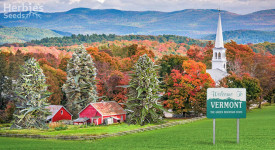
Vermont
Vermont fully legalized weed in 2018. Currently, any cannabis culture enthusiast can grow 9 plants, but only 2 are allowed to be mature.
Virginia
In Virginia, possession and limited home cultivation are legal, and the law allows adults 21 and older to grow up to 4 plants per household for personal use.
Washington State
Washington state gets credit for being the first state to give cannabis a legal status. Unfortunately, cultivation is limited to medical patients, who can have up to 6 plants.
Washington, D.C.
Home cultivation is allowed in D.C. for adults 21 and older, who may possess up to 2 ounces and grow up to 6 plants, with no more than 3 mature at a time. Adults may also transfer cannabis to another adult without payment. However, the long-running “gifting” model has come under much tighter enforcement, and District authorities have shut down numerous unlicensed operators while pushing businesses into the regulated medical cannabis system.
Is It Illegal to Buy Marijuana Seeds in the U.S. If You’re Buying Online?
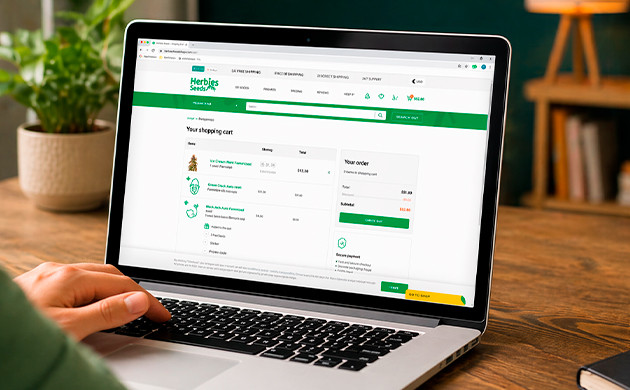
Buying cannabis seeds online in the U.S. remains a legal gray area. Many people ask can you buy cannabis seeds online legally, but the answer depends on federal interpretations and local cultivation rules. One important nuance is that the DEA has said seeds with no more than 0.3 percent delta-9 THC meet the federal definition of hemp. That said, legality can still depend on the intended use of the seeds, the laws of the buyer’s state, and whether home cultivation is allowed there. For that reason, buyers should not assume that every online seed order is automatically protected simply because the seeds are being sold online. Questions about shipping cannabis seeds across state lines are especially complicated under current federal law.
Is It Safe to Order Marijuana Seeds Online?
Many people do order cannabis seeds online, but buyers should understand that this is not risk-free. Depending on the state, the intended use, and how authorities interpret the shipment, a package could be delayed, seized, or create legal issues. The other major concern is legitimacy: before ordering, it’s smart to verify that the seed bank is reputable, transparent, and compliant with the laws that apply in your jurisdiction.
Will USA Laws Regarding Cannabis Change?
Federal cannabis reform remains active, but it has not yet resulted in full federal legalization. In 2024, the Justice Department formally launched rulemaking to move marijuana from Schedule I to Schedule III, and that process was still pending at the beginning of 2026. If finalized, rescheduling would be a major federal shift, but it would not be the same thing as nationwide legalization.
Banking reform is also still unresolved. The original SAFE Banking Act did not become law, although later versions such as the SAFER Banking Act continued to receive attention in Congress.
Another major development came in late 2025, when federal law tightened the rules for what counts as legal hemp. This 2025 cannabis seed law change is expected to reshape how hemp-derived THC products are regulated in the coming years. Instead of looking mainly at delta-9 THC, the new law uses a broader “total THC” standard and introduces much stricter limits for finished products. These changes are scheduled to take effect in November 2026 and could push many hemp-derived THC products – including some now sold as delta-8 or THCA items – out of the legal market.
Discreet Shipping From Herbies Seeds

Herbies doesn’t want you to get busted for ordering high-quality seeds – although this is highly unlikely to begin with. For growers researching where to buy marijuana seeds legally, discreet shipping and reputable vendors are important factors. However, just to be safe, we hand-pack and disguise your product to resemble a normal online retailer. Check out our Shipping page if you want to learn more about our discreet shipping methods of your favorite strains.
FAQ
Are cannabis seeds legal in the USA?
Cannabis seed legality in the U.S. depends on both federal and state law. This is why people often research states where cannabis seeds are legal before making a purchase. A key nuance is that the DEA has said seeds with no more than 0.3% delta-9 THC meet the federal definition of hemp. However, whether you can legally germinate and grow those seeds depends on the laws of your state.
Can I buy cannabis seeds online in the U.S.?
Many people do, but legality is not the same in every state. Buyers often look for legal states for cannabis seed sales before placing an order online. Even if seeds may qualify as hemp under federal rules, home cultivation is still governed mainly by state law, so buyers should always check whether growing cannabis is actually allowed where they live.
Can cannabis seeds be shipped across state lines?
This is one of the most confusing areas of U.S. cannabis law. Some seeds may fall under the federal definition of hemp, but that does not automatically mean every shipment is lawful in every situation. State law, intended use, and local enforcement still matter.
Is it legal to germinate cannabis seeds at home?
That depends on where you are and the local marijuana seed laws by state, which determine whether home cultivation is allowed. In some states, adults may legally grow a limited number of plants at home, while in others only medical patients can cultivate, and in some states home growing is still prohibited.
Will cannabis become federally legal soon?
Federal reform is moving, but full legalization has not happened yet. The federal government began the formal process of moving marijuana from Schedule I to Schedule III in 2024, but that process was still pending at the beginning of 2026.
Final Thoughts
Cannabis seed legality in the U.S. is more nuanced than a simple yes-or-no answer. Anyone wondering if it is legal to grow weed at home should always check the specific cultivation limits and regulations in their state before germinating seeds. If you live in a state that allows home growing, the safest approach is to follow local plant limits, sourcing rules, and all state-specific cultivation requirements before germinating any seeds.
*All text and images on our website are for informative, entertainment or scientific purposes only. Herbies Seeds in no way condones, promotes or incites the use of illegal or controlled substances.
Herbies Head Shop expressly refuses to support the use, production, or supply of illegal substances. For more details read our Legal Disclaimer.


- Shared on Twitter
![icon]()
- Shared on Facebook
![icon]()







Thank you for leaving a comment for us!
Your feedback will be posted shortly after our moderator checks it.
Please note that we don’t publish reviews that: