




















Cannabis Light Stress And Light Burn
Dealing with cannabis light stress and light burn can be overwhelming, especially for first-time growers. Luckily, with the right techniques and environmental control, it’s easy to spot the issue and prevent long-term damage. Let’s learn how to do it.
What Is Cannabis Light Burn And Light Stress?
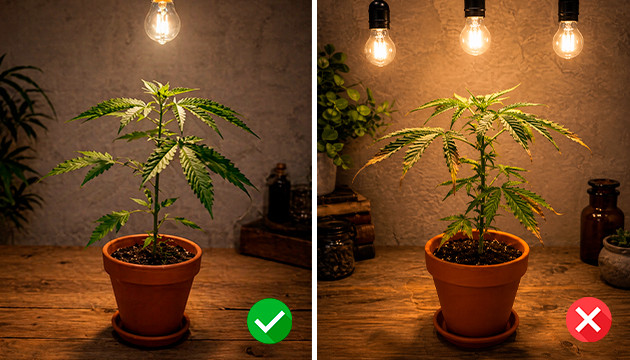
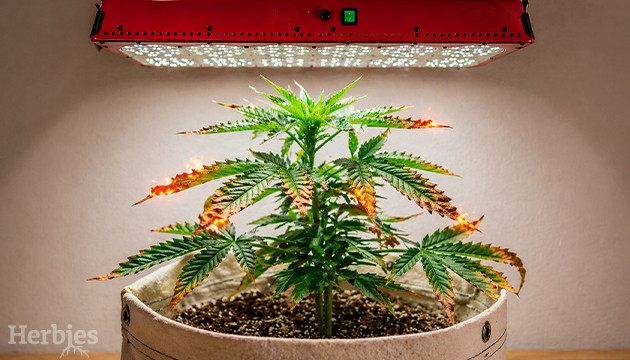
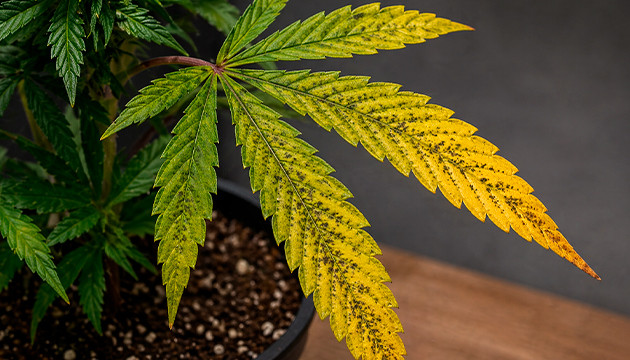
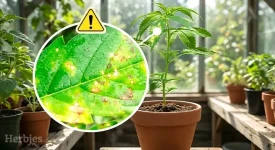
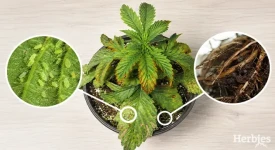
>Light burn is a severe form of light stress that happens when cannabis plants receive more light than they can process. It often results in bleaching of leaves or buds and can affect overall plant health and yield. However, light stress/burn can manifest itself in many ways, including the browning and drying out of leaves, giving them a dry, crispy texture.
Depending on your light source, there are different levels of associated danger from light and/or heat stress. Depending on how much heat your lights emit, the safe distance to hang them depends partly on the former factor as well as others such as plant maturity, level of airflow and type of light (HPS, CFL, LED, etc.). Before starting any grow, it’s therefore important to ensure you’ll be in a position to provide your plants with exactly the right conditions in which to properly grow.

Dangers Of Cannabis Light Burn At Various Stages Of Lifecycle
The risks of light burn include reduced potency, visible damage to leaves or buds, and diminished aroma and terpene profile — all of which impact your final product. Of course, the biggest danger would be a significant reduction in final yield.
The impact of light burn varies depending on the maturity of the plant, but this is the biggest issue for seedlings that can be easily burned by the high intensity of high-power growing lights. Next are plants in the vegetative stage which have established their ground and are self-supporting but are still susceptible to the dangers of powerful lighting. With respect to recovery, the greatest danger is for plants in the flowering stage, where it’s easy to overlook the impact of light stress as your plants change into their fall colors.
Symptoms Of Cannabis Light Stress And Light Burn
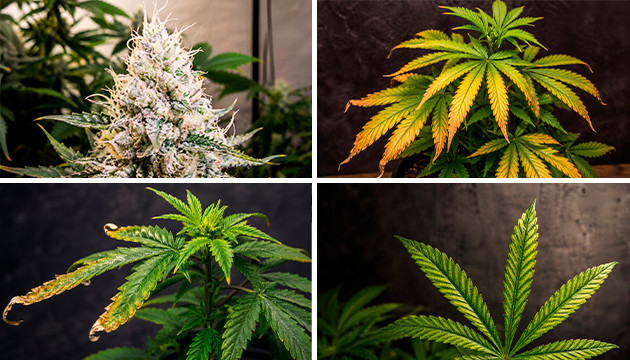
The following are symptoms of cannabis light stress and light burn:
- Bleaching of buds
- Browning of leaves
- Leaves curling upward (“taco”-ing)
- Discoloration of leaves but veins are still green
- Irregular growth pattern
If your plants are receiving too much light and are under stress, they will exhibit some or all of the symptoms listed above.
Are There Ways To Fix Light Burn?
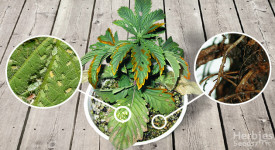
Unfortunately, if parts of your plant have experienced light stress, especially to the point of light burn, then no amount of TLC will be able to bring them back. However, it’s possible to take remedial action by making changes to the amount of light your plant receives to a safe level and not inducing any further unnecessary stress.
Avoiding Light Stress And Light Burn – Learn How Much Light Is Too Much For Cannabis
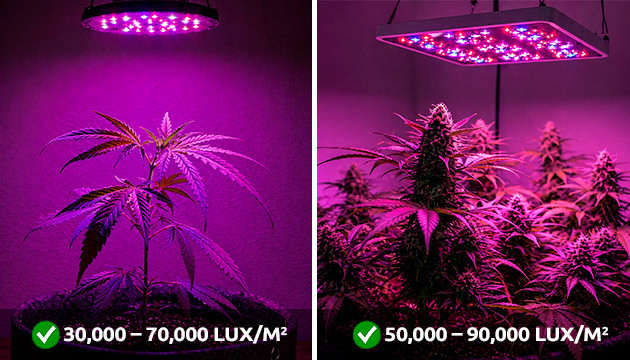
If you have the resource to invest in a lux meter, it is highly recommended you do so! Not only is this useful in assessing whether your plants are getting too much light, but it can also identify areas receiving insufficient light. This is particularly important for commercial growers, as it maximizes bud production. Lux meter readings are given in lux/m2 and should fall in the following ranges based on plant maturity:
- Vegetative: 30,000 – 70,000 lux/m2
- Flowering: 50,000 – 90,000 lux/m2
Set The Correct Height For Your Lights
Also, if you don’t have a lux meter, but still want to avoid light stress, it’s important to set the correct hanging height for your lights, especially as modern growing lamps tend to have high power ratings that can easily cause damage to cannabis plants irrespective of maturity. To check if your lights are hanging correctly:
1) Test the level of heat on the back of your hand at canopy level.
2) If it’s irritating at all, lift the source of light higher, and repeat the same test.
3) Do it again until the temperature feels comfortable and not irritating.
While this may seem basic, it’s a tried and tested way of making sure your plants get the light they need without overdosing them!
Ran Out Of Height? No Problem!
Ideally, one should never encounter this problem. With the right amount of planning, it’s possible to ensure your plants never grow too large for your space. However, things don’t always go to plan – especially when growing a plant from seed. If you’re limited for height, use low-stress training from 3-4 weeks into plant growth.
If your plants are growing too close to your lights and you don’t have any vertical space left to raise them, you can supercrop the plants to stunt their growth and keep them intentionally small. While supercropping is useful for this, it can also be used strategically to boost THC levels! This occurs when cannabis plants ramp up production of THC as a defense mechanism whenever they feel under attack.
FAQ
Here are some frequently asked questions that may help you better understand light burn.

How long does it take cannabis to recover from light burn?
While the damage brought on by light burn is permanent, your plant can still recover. Depending on its maturity, a plant may have enough remaining time in its lifecycle to recover from damage, whereas for plants that experience light damage toward the end of their life, there is very little that can be done. As long as you catch the problem while it’s not too late, cannabis plants can recover from light stress in as little as 5-7 days, although most plants take around 10 days to show physical changes.
Can light stress cause cannabis plants to change sex?
Cannabis plants can change sex as a result of environmental factors, and light stress is no exception. Plants that experience light/heat stress therefore have a far greater likelihood of turning into hermaphrodites than those that don’t, so it’s entire possible for this to occur as a result of light stress.
The following symptoms can cause cannabis plants to change sex:
- Changes in photoperiod
- Changes in temperature
- Over-watering/feeding
Light burn or nutrient deficiency – how do I know?
When something goes wrong during a grow, most growers think about water or nutrient-related issues. If you think your plants are experiencing light burn, how do you know it’s not a nutrient deficiency? Well, while the symptoms of the two can appear to be very similar, it’s possible to easily tell between the two by considering the symptoms your plants are showing. It’s unlikely you’ll experience light burn-like symptoms due to excess of any of the nutrients described below, but it’s a possibility nonetheless (particularly with phosphorus).
This Is Not Light Stress But Nitrogen Deficiency, If…
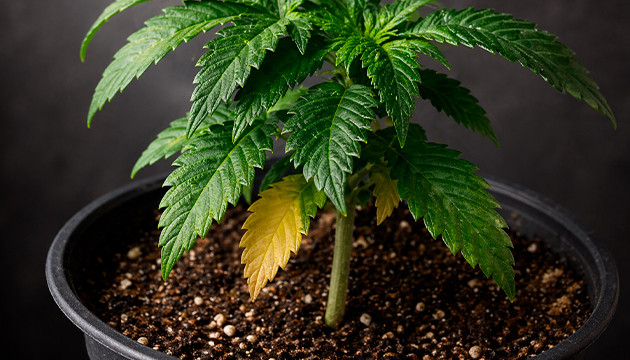
- You notice discoloration of leaves (starting from the bottom of plant and moving upward)
- Leaves have droopy appearance without luster
- Leaves falling off (coming off without much resistance)
This Is Not Light Stress But Calcium Deficiency, If…
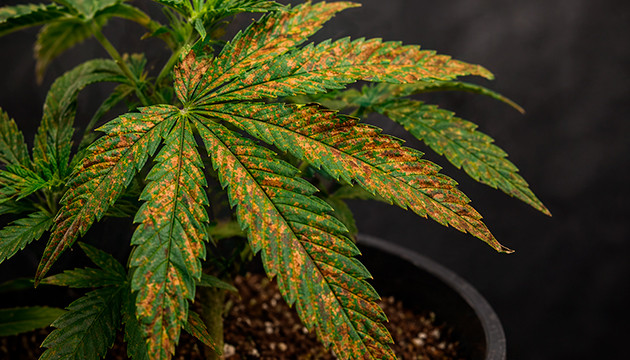
- You see irregular, yellow-brown spots on leaves
- Lower leaves start curling
This Is Not Light Stress But Phosphorous Deficiency, If…
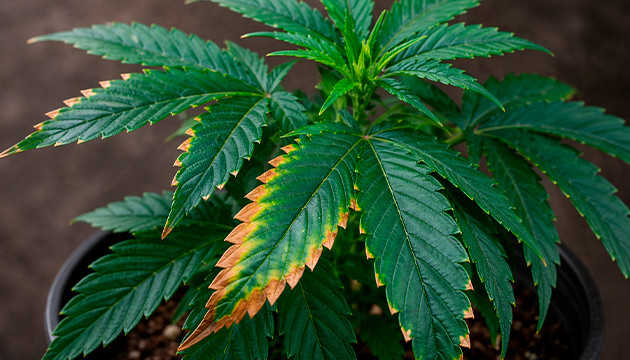
- Leaves have blue/green tinge
- There are dark, copper-colored patches on leaves
- Leaves wither and curl at the tips
This Is Not Light Stress But Magnesium Deficiency, If…
- You notice the loss of older leaves (withering and dropping)
- Leaf veins turn yellow
- There are irregular rust spots
If you’re concerned about nutrient deficiencies causing changes in the appearance of your plant, flush the rootzone with 15-20 liters of plain, pH’d water to remove any build-up at the bottom of your growing medium.
Marijuana Light Burn And Stress: The Bottom Line
Let’s consolidate what we’ve learned. After reading about light stress and the dangers of light burn to cannabis plants, you should know what to look out for when assessing whether your plants might be receiving too much light. If you want to harvest large, dense buds with a beautiful appearance and fragrant terpene profile, ensure your plants are free of any signs of light burn by checking them frequently. This should not only help avoid light burn, but also highlight any other problems through the extra attention!
Herbies Head Shop expressly refuses to support the use, production, or supply of illegal substances. For more details read our Legal Disclaimer.


- Shared on Twitter
![icon]()
- Shared on Facebook
![icon]()




Thank you for leaving a comment for us!
Your feedback will be posted shortly after our moderator checks it.
Please note that we don’t publish reviews that: