

























Six Shooter auto Grow Diary and Strain Review
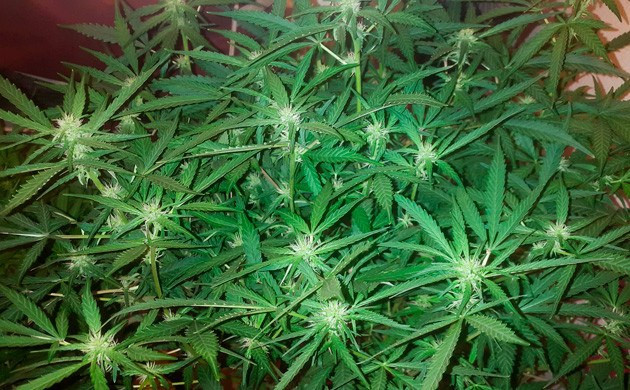
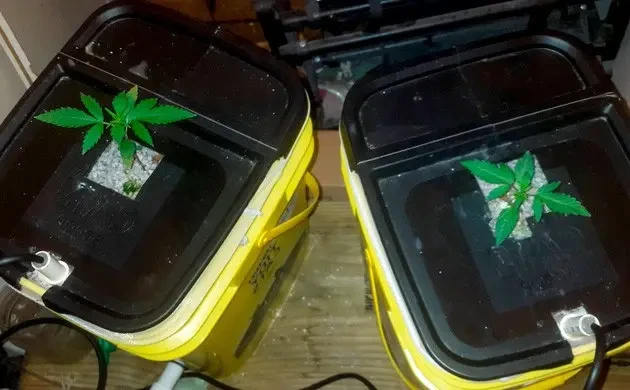
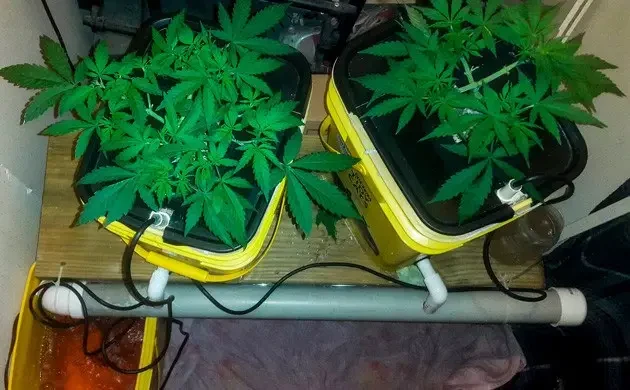
This Six Shooter Auto run from FastBuds was built around two plants in a hydroponic setup. I didn’t want to just let them grow straight up and hope for the best, so the plan was to shape the structure early and keep the canopy under control as much as the plants allowed.
From the first part of the grow, it was clear that the two girls weren’t going to behave exactly the same. One plant kept leading, while the other stayed behind for a while. That difference became one of the main things I had to work around through the whole cycle.
Key Characteristics
- Seed Type: Feminized
- Flowering Type: Autoflowering
- Suitable for Growing: Outdoor, Indoor
- THC: 23%
- Height: 1-1.4m (39.3-55.1 inches)
- Effects: Complex, Clear-headed, Relaxing
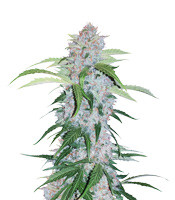

- Autoflowering
- 500 - 650 g/m² indoors
70 - 350 g/plant outdoors - Have both clear head and intensive relaxation
Starting the Run
Grow Notes
The setup was hydroponic, so the routine depended a lot on keeping the system fresh and the nutrient solution under control. I treated this grow as a training-heavy run from the beginning, because Six Shooter Auto looked like the kind of plant that could take shaping if I didn’t push blindly.
My main goal in the early part was to build a useful bush structure before flowering took over. That meant watching the box closely and reacting before small issues had time to become real problems.
Week 1
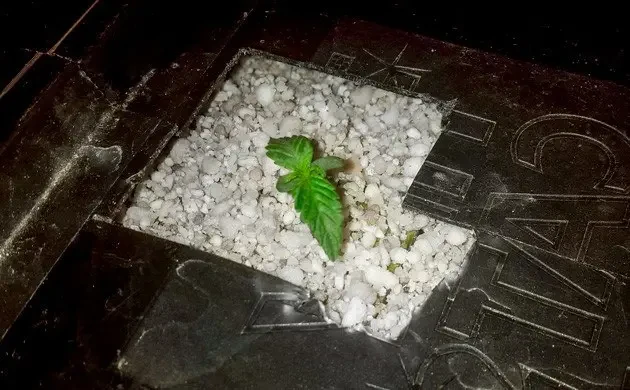
The first week was mostly about getting the plants established and watching how they settled into the system. I didn’t rush any hard work at this point, because the plants needed to start growing steadily first.
Both plants made it through the start, but I already expected some difference between them. That turned out to be right later, when one girl clearly became the stronger and taller plant.
Week 2
By the second week, the grow was still moving without anything dramatic. I kept the attention on general health and early structure rather than trying to force a result too soon.
With hydro, I always like to stay ahead of the plants. Clean solution, stable feeding, and careful checks mattered more here than adding extra tricks.
Week 3
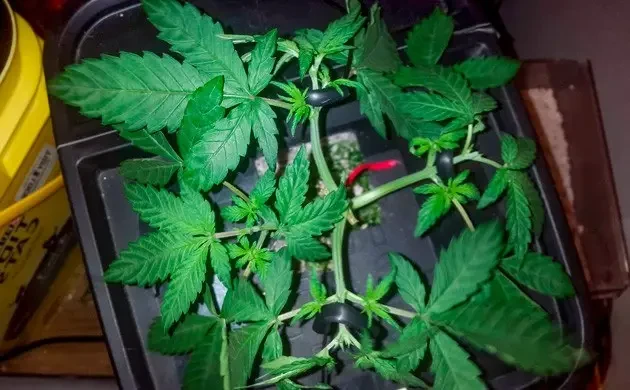
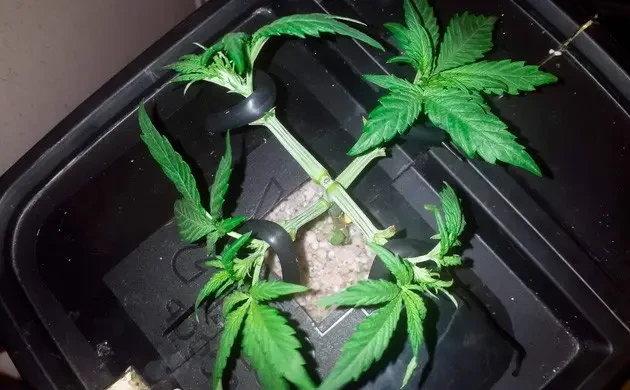
The plants were ready for more shaping by this point. I started working the branches outward little by little, trying to set up a wider frame before the stretch.
I also kept a close eye on the room because I didn’t want to let a small mistake build into a bigger issue. The plants looked healthy enough, and the stronger one was already showing better pace.
Veg Progress and Training
Week 4
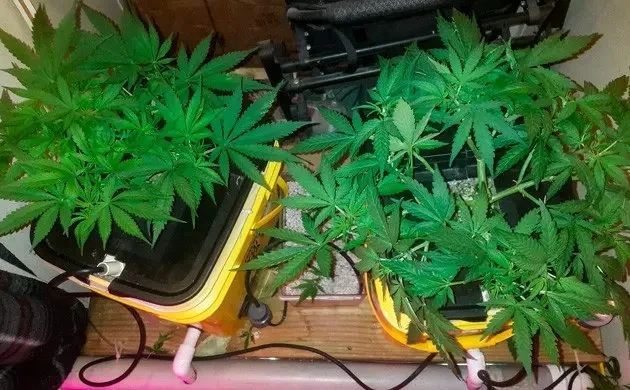
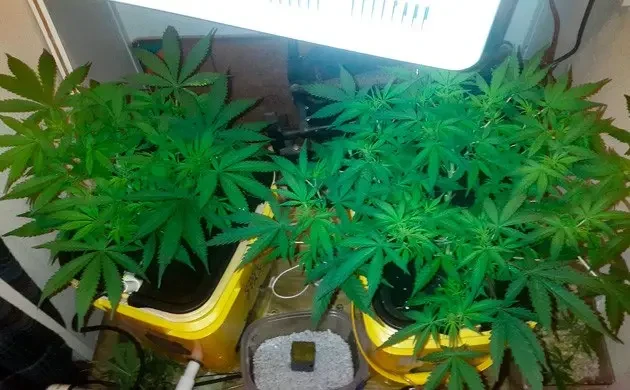
This week was about architecture. I kept stretching the branches to the sides and tried to make the bushes more efficient instead of letting the tops crowd each other.
I raised MaxiGro to 1.3ml/l, and the plants looked strong from the outside. They were around 15cm (5.9in) tall by then, which gave me enough growth to keep shaping without feeling like I was working too early.
Week 5
I started the fifth week by flushing the system and mixing a fresh nutrient solution. The new mix was CALiMAGic at 0.33ml/l and MaxiBloom at 1.3ml/l.
That was a slightly forward move because the plants were still in veg, but I was ready to bring MaxiGro back if they showed any sign of nitrogen hunger. They didn’t complain right away, so I kept going with the plan.
Training also got more serious. I carried out a couple of fairly aggressive defoliations and left the plants with very little leaf mass, but they didn’t show stress. That surprised me in a good way. This genetics really seemed built for active handling.
Week 6
The sixth week started with the usual hydro flush and a fresh batch of nutrients. I made sure to bring the pH to 6.0 and kept the plants on a clean routine.
The bushes still looked fine after all the work from the previous week. I was already thinking about another heavier defoliation, but the main point was that they were healthy and still taking the training well.
The Flip and Early Flower
Week 7
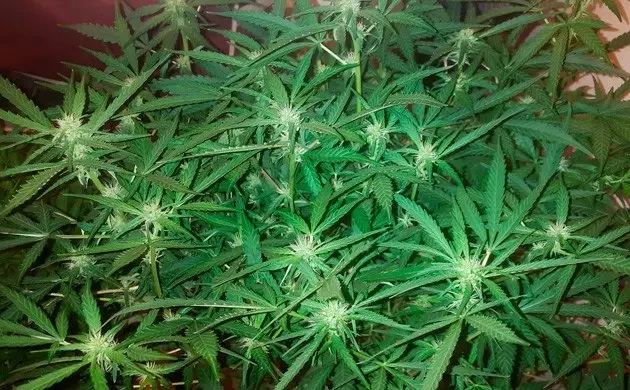
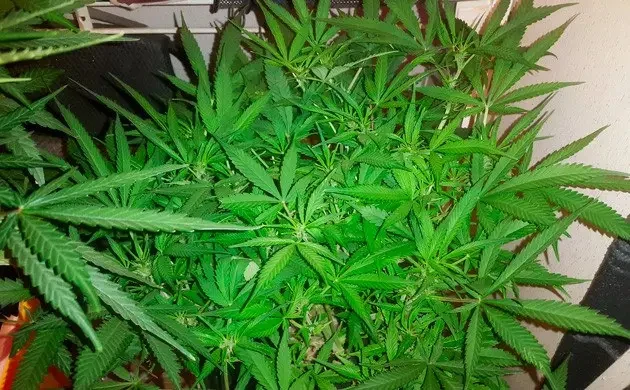
Flowering finally started in week 7, though not evenly. One plant was covered in pistils, while the second one stayed behind and looked like she needed more time.
I flushed the system again at the start of the week and gave them a new solution. The plants were drinking hard, which told me they were working even if their pace wasn’t perfectly matched.
By the end of the week, the tallest plant had reached 46cm (18.1in). The second plant was still clearly smaller, but she didn’t look sick. I decided not to rush her.
Week 8
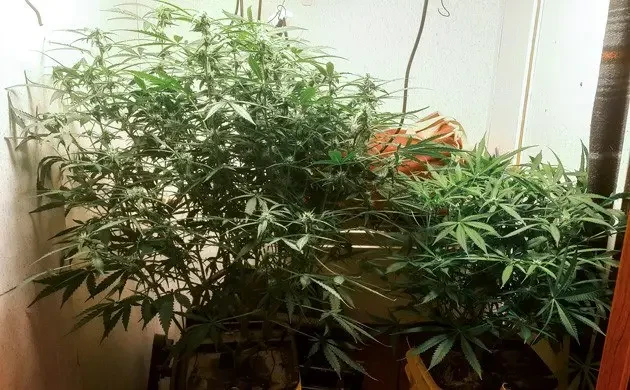
The stretch became much more obvious this week. The tallest girl was already around 70cm (27.6in), and the difference between the two plants was still easy to see.
Even with that uneven growth, both plants looked healthy enough. I wasn’t in a hurry, so I gave the slower plant time to catch up instead of trying to correct everything at once.
Week 9
The routine stayed familiar: clean the system, refresh the nutrients, and keep watching how the two girls responded. The stronger plant kept taking the lead, but the smaller one was still part of the run and didn’t give me a reason to cut her out.
At this stage, the grow was mostly about keeping the room stable and letting the flowers start building properly. Training had already done its job, so I tried not to interfere more than necessary.
Late Flower and Finish
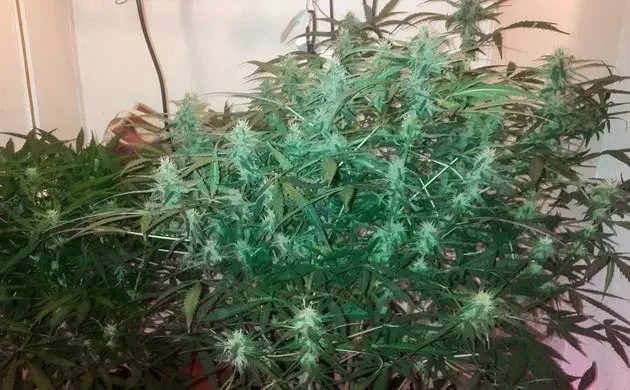
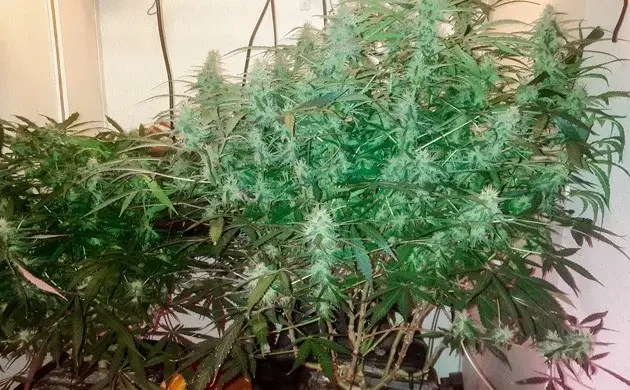
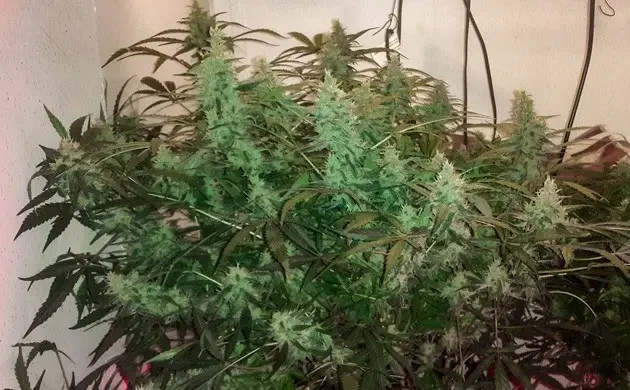
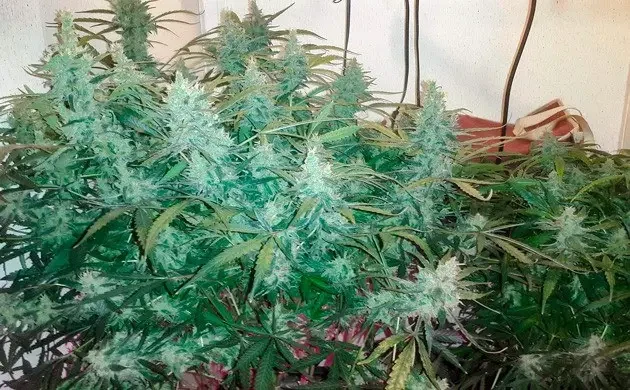
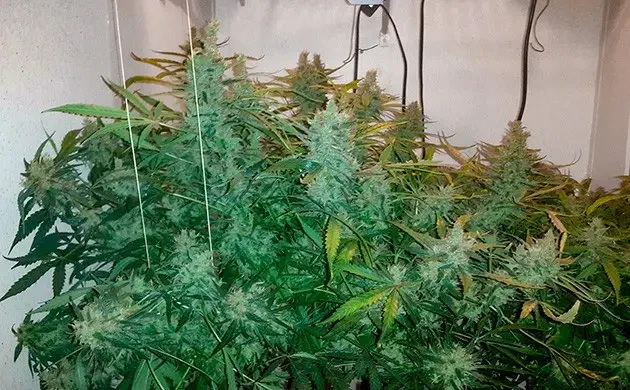
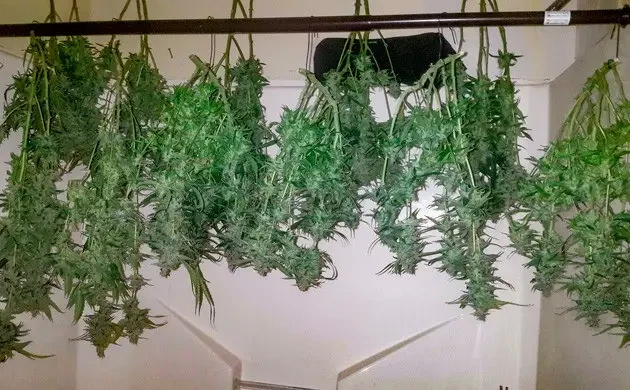
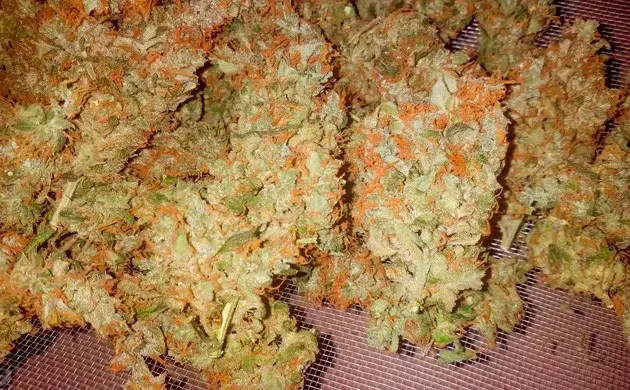
Late Flower
The later part of the grow was smoother than I expected after all the training. Six Shooter Auto handled topping, LST, and defoliation without making a fuss, which made the uneven plant development much easier to accept.
The taller plant stayed the main producer. The second one never fully matched her, but she stayed healthy and added to the final result. I kept giving the plants enough time instead of cutting early just because the breeder timing sounded faster.
Final Stretch
By the finish, the run had become more about patience than correction. The plants had taken a lot of shaping, and the stronger girl clearly rewarded the extra room and structure.
The buds were ready after drying, and the difference between the two plants showed clearly in the final numbers. The taller plant alone gave 195g (6.9oz), which was the biggest part of the harvest.
Six Shooter Auto Yield and Final Thoughts
After drying, the final yield came to 265g (9.3oz) of dry buds. For a run with two different plants and a lot of training, I was happy with that result.
The grow itself was pretty smooth. Six Shooter Auto came across as an undemanding plant that can take active work, including topping, defoliation, and LST. The main lesson for me was that this strain doesn’t mind being shaped hard, as long as the rest of the routine stays steady.
The taste had a strong fruity side with skunk notes underneath. I also felt that a longer cure would probably make the aroma open up more, so this was one of those harvests worth waiting on in the jars.
The effect came in like a wave. It didn’t hit too hard at first, but then it slowly wrapped through the body and stayed for at least a couple of hours. I wouldn’t overdo it before work or even before a simple walk. Still, I liked this strain a lot, and I’d grow it again.
Herbies Head Shop expressly refuses to support the use, production, or supply of illegal substances. For more details, read our Legal Disclaimer.


- Shared on Twitter
![icon]()
- Shared on Facebook
![icon]()




Thank you for leaving a comment for us!
Your feedback will be posted shortly after our moderator checks it.
Please note that we don’t publish reviews that: