






















Feminized Cannabis Seeds



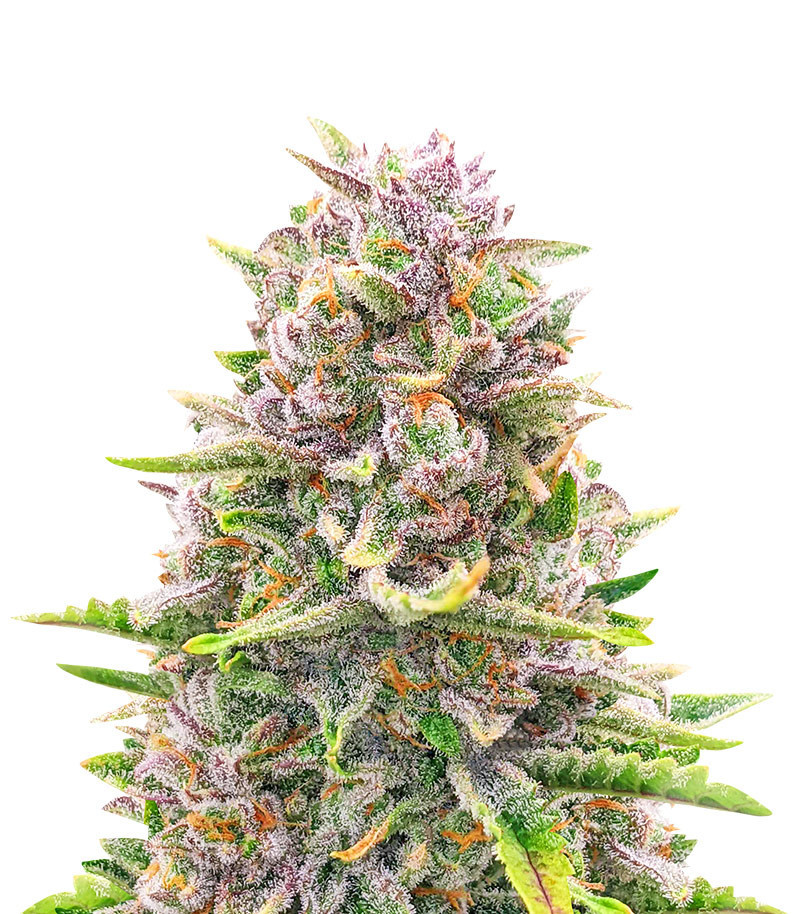

- Fem
- Photoperiod

- Fem
- Photoperiod

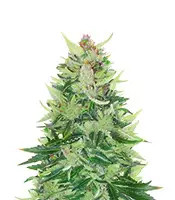
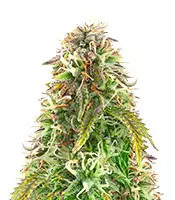
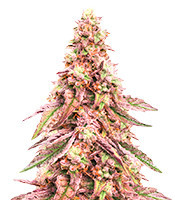
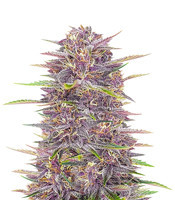

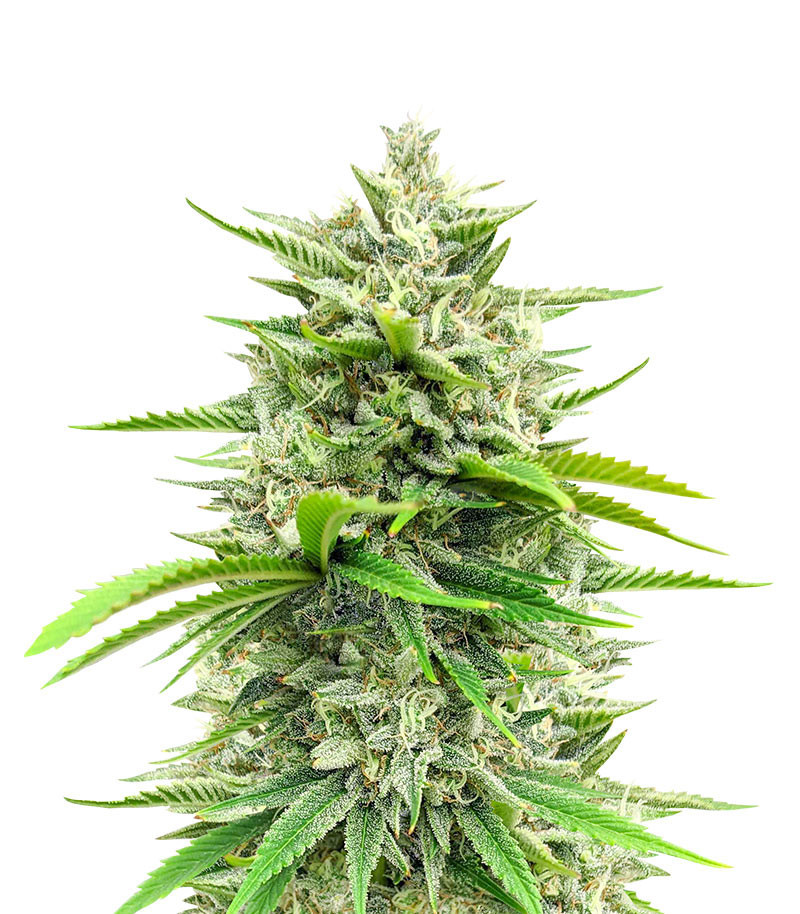
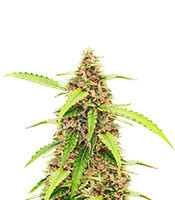
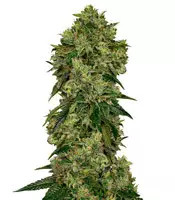
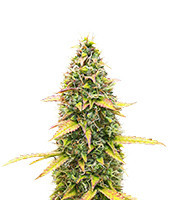

.
Feminized marijuana seeds have firmly held top positions in the cannabis market for over two decades. They are in huge demand among both casual growers cultivating plants for personal use and large-scale producers of medical and recreational marijuana.
The staggering success of these so-called fem strains is well-founded. Their hassle-free cultivation guarantees excellent results with minimal effort and energy expenditure on the part of the grower. You can buy feminized marijuana seeds from almost any major seed bank today, but what makes them so great?
The answer is simple! Feminized cannabis seeds lack male genes, which means they only grow female plants. It is the unpollinated female flowers that bear the name "sinsemilla" and are renowned for their exceptionally high cannabinoid content. Regular seeds, by contrast, offer roughly equal odds of producing a male or a female plant; this forces the grower to monitor sex development closely and ruthlessly eliminate any unwanted "suitors" before they can compromise the virtue of the proud ladies.
Why Grow Feminized Seeds?
We have already established what feminized seeds are, but now let’s highlight their specific advantages for the grower:
- There is no need to waste fertilizer, effort, or time caring for plants that might turn out to be male.
- Every seed grows to a female plant, meaning you don't have to plant plenty of them just to secure a decent harvest from those that turn out to be fems.
- Feminized seeds guarantee a high-quality harvest with rich flavor and aroma. The potency of unpollinated female flowers is equally as high, even higher than that of male marijuana plants and those pollinated by males.
- Feminized marijuana seeds are far more resistant to the effects of environmental factors like fungus, dramatic changes in temperature, moisture, insects, etc.
- Therefore, feminized marijuana strains make a good investment for gardeners; despite being pricier than standard seeds, the result is evident.
Feminized Seeds vs. Regular Seeds
Growers choose between feminized and regular seeds based on their cultivation goals. Since feminized seeds produce female plants, they are the preferred choice for growers aiming for a high yield. Conversely, regular seeds are sought after by those who need plants of both sexes – whether for breeding, preserving genetics, or classic pheno-hunting.
For most home growers – especially beginners – cultivating feminized plants is simpler and more practical. They eliminate the need to worry about the risk of male plants sprouting or the hassle of monitoring for male traits and removing those plants in time to prevent the entire crop from being ruined.
Female plants are also advantageous for growers with limited space – whether indoors or outdoors – where every pot and square meter counts; growers naturally prefer not to dedicate that space to male plants that won't produce the desired harvest.
Ultimately, growers searching for terms like "best feminized seeds," "female seeds weed," or "guaranteed female marijuana seeds" are usually looking for reliability, ease of planning, and minimized resource waste, rather than material for breeding.
How To Choose the Right Feminized Seeds
While the ease of growing feminized seeds is a factor, it is not the sole basis for choosing them. Even a strain's potency or popularity are not the primary considerations; instead, the choice depends on the specific conditions and goals the grower has set. The best strain is determined by the growing setup, climate, experience level, and cultivation objectives.
Here are some additional criteria to consider when selecting feminized seeds:
- If potency is your priority, opt for high-THC feminized seeds.
- When growing in tight spaces, choose indoor feminized seeds; in such cases, space constraints and the plant's stretch become more critical factors than its overall size.
- If growing outdoors, it is crucial to select a strain that suits your local climate and the length of the growing season in your area. In conditions characterized by high humidity and unpredictable weather, choosing outdoor feminized seeds with good resilience and appropriate maturation times is the safer option.
- For those just starting their cannabis-growing journey, we recommend choosing strains that are trouble-free, forgiving of mistakes, and guarantee a positive outcome.
- If a quick harvest is required – such as when growing during a short season or planning multiple crop cycles – consider fast-flowering feminized seeds. These are often a more suitable choice than long-flowering varieties.
- If obtaining a high yield is the priority, you should consider high-yield feminized seeds. However, when selecting such seeds, it is essential to consider not only the potential yield but also the conditions required to achieve it.
- If the effect is what matters, choosing the right seeds is also quite simple. Want a more calm evening effect? Choose an indica. Sativa will be better suited for those who prefer more active options for the day with an invigorating and social effect. However, if you are looking for a less pronounced THC effect, you might want to consider feminized seeds with high CBD content.
- It’s also important to distinguish between feminized photoperiod seeds and feminized autoflower seeds. Photoperiod feminized strains offer greater control over the vegetative stage and allow for the use of plant training techniques. Feminized autoflowering seeds, in contrast, are ideal for those who prioritize automatic flowering and a short growth cycle.
Who Feminized Seeds Are Best For
Feminized seeds are ideal for growers seeking a more predictable and convenient way to produce buds without dealing with male plants. They are particularly useful when the goal is to cultivate female plants rather than breed new ones, as this format simplifies the entire process – from preparation and plant care to planting and the flowering stage.
Growing Feminized Seeds Successfully
Feminized seeds can save a grower the trouble of dealing with male plants and guarantee a harvest. However, the quantity and quality of that harvest will depend heavily on the cultivation process: the growing medium, the techniques and training methods used, and the fertilization regimen.
Let’s start with germination. Recommended methods include using paper towels or cotton pads. You can also soak seeds in a glass of water, but we still recommend transferring them to paper towels or cotton pads afterward for more reliable results. Be sure to check out our germination guide, where we explain in detail how to germinate seeds to ensure healthy plants.
It is also important to plan your grow in advance – considering container size, lighting, the growing medium, training techniques (and whether to use them), and the space available for the plant (including vertical clearance) – and to estimate the total duration of the grow. This is especially crucial for indoor cultivation, where you can control these factors to achieve the best possible outcome.
With feminized strains, you won't need to worry about sexing the plants, but they still require attention. Monitor the plant's health and structure, as well as how it responds to any training techniques you apply. Plants have different needs during the vegetative and flowering stages, and this must be taken into account.
Choose your strategy based on whether you plan to grow indoors or outdoors. Indoor growing offers greater control over environmental conditions, whereas outdoor growing requires consideration of the climate and season. You can find more detailed information in our guides: the indoor cannabis growing guide, the outdoor growing guide, or the flowering-time guide.
Feminized strains are productivity champions; they ensure that all the space and resources you invest go directly toward producing a harvest.
Can You Identify Feminized Seeds by Sight?
You cannot tell whether a seed is feminized, regular, or autoflowering simply by looking at the shape, color, pattern, or texture of its shell. Many beginners think otherwise, but the differences are actually rooted in genetics, not on what the seed looks like when you hold it.
So if you’re searching answers to the questions of where can I buy feminized seeds or where to buy feminized cannabis seeds and what are their benefits – rather than trying to guess based on physical characteristics, focus on the seed's quality and strain reviews.
Why Buy Feminized Seeds at Herbies
You now have enough information about feminized seeds to decide if they are the right choice for you. But if you’ve decided to go for them, where do you start, and how do you pick the perfect strain for your needs from the vast array of available options?
With Herbies, it’s easy. We offer a wide range of feminized cannabis seeds for sale from top seed banks and breeders, and we help you select the one that best suits your goals. Our curated collections and handy filters – based on type, THC content, yield, and growing conditions – allow you to tailor your search to your specific criteria. Still unsure? You can always contact our support chat for a personalized recommendation, whether you’re looking for the best feminized seeds for a first-time grow or have a specific goal in mind.
Buying from Herbies is simple: we offer secure payment and reliable stealth shipping, plus you get bonus seeds with every purchase. What’s more, Herbies doesn’t leave you hanging after the sale – we provide a germination guarantee, and you can always reach out to us with any growing-related questions.
FAQ
Why are feminized seeds considered better?
Feminized seeds are bred to grow only to female plants, thereby eliminating the need for growers to identify and remove males. So if your goal is harvest, feminized seeds allow you to maximize flower production and improve resource efficiency.
What are the cons of feminized seeds?
Feminized seeds are unsuitable for breeding, as they don’t produce male plants. Also, when growing a plant produced from photoperiod feminized seeds, you need to ensure proper lighting.
How long does it take to grow feminized seeds?
That depends on the type. Most photoperiod feminized strains usually take several weeks in the vegetation stage and 8 to 10 weeks to flower.
Do feminized seeds automatically flower?
Not always. It depends on whether you are growing feminized autoflowers or feminized photoperiod plants. With autoflowers – yes, they flower automatically after a certain amount of time and do not depend on the lighting. Photoperiod plants, on the other hand, begin to flower when you reduce the number of lighting hours.
How many hours of light do feminized seeds need?
Lighting requirements will depend on the plant type. Photoperiod strains need 18 hours of light during the vegetative stage and 12 hours of light to trigger the flowering phase. For autoflowering strains, the daily light duration can be increased to 18-20 hours throughout the entire growth and flowering period.
Can I grow feminized seeds indoors?
Feminized seeds are excellent for indoor growing because they produce only female plants; so if your goal is harvest, you won't waste space or resources on male plants.